First Fairy-Wrens

Michelle, the Fairy-Wren guru, spent the day getting Sara and me up to speed on our duties for the next few months. Basically, we will follow a population of Purple-Crowned Fairy-Wrens here at Mornington Station, trying to find every nest and monitor every individual bird. The Fairy-Wrens live along a section of Annie Creek, which flows right through the station, and particularly like a spiky, palm-like plant called pandanus.

Which means that Sara and I will spend our time tramping back and forth through riparian undergrowth, peering at Fairy-Wren legs to read color bands, and avoiding the worst afternoon heat. We will wake up at 4:30 each morning, work outside for a few hours, then do another field session late in the afternoon.

Michelle showed Sara and me our territories today along a 3-kilometer stretch of Annie Creek. I saw my first Purple-crowned Fairy-Wrens – the males are gorgeous, with bright purple foreheads, black ear patches, and long, expressive tails. In the afternoon, we went swimming to cool off. After sunset, I looked up to see the Southern Cross and distant flashes of heat lightning, while night birds made unfamiliar noises.

Driving to Nowhere

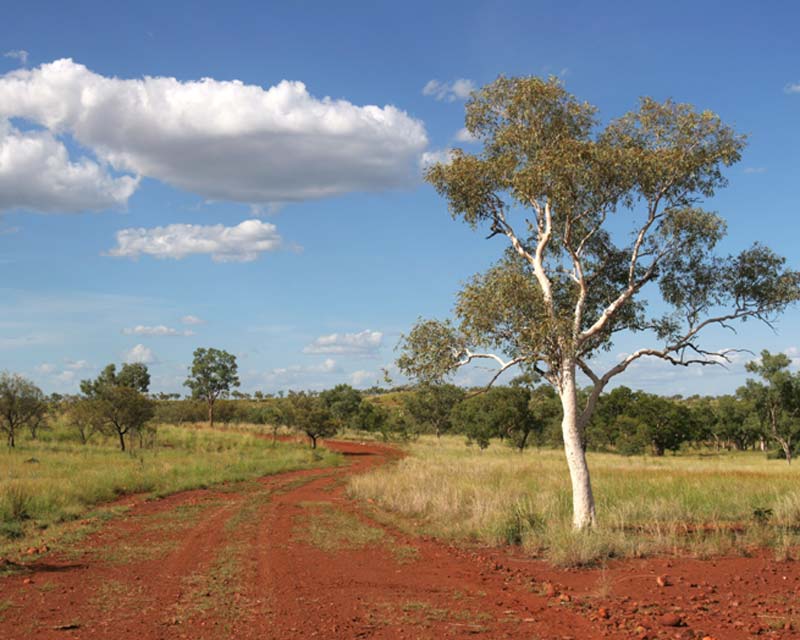
After a bit of errand-juggling this morning in Derby, four of us set off for the long drive to Mornington. From Derby, the Gibb River Road takes off like a dirt arrow through untracked bush; we followed this single-track route for three hours before turning on to Mornington Sanctuary’s “driveway.” This added another 90 kilometers and involved fording several creeks.

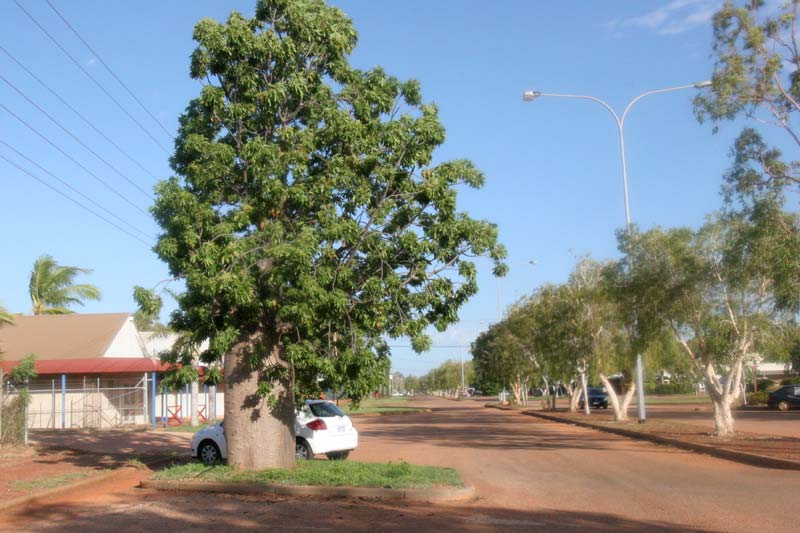
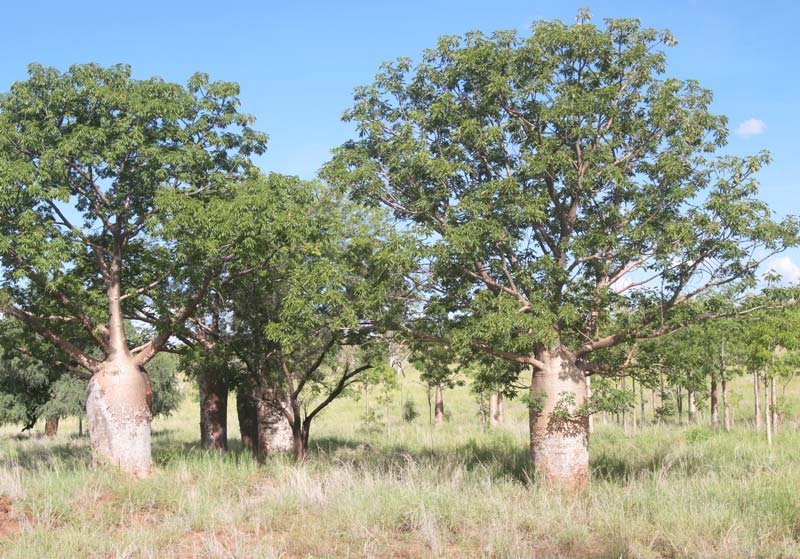
All told, the drive took between five and six hours, not including rest stops to pamper Teagan’s six-month-old baby, go swimming at a creek crossing, and take photos of enormous boab trees.

In all that distance, we passed only one other car, and saw just one or two buildings alongside the road. This is one of the greatest wilderness areas left on Earth. Kangaroos, White-quilled Pigeons, and Wedge-tailed Eagles skittered from the road as we drove past endless expanses of red dust, green grass, leafy trees, and impossibly blue skies.

I’m now at Mornington Station, getting settled in to my home (for the next six months) and meeting the staff. There are 17 people on station at the moment. Fieldwork starts at five a.m. tomorrow, to avoid the worst daily heat; Purple-crowned Fairy-Wrens await!

Last Day of Civilization

My alarm went off at 2:15 this morning in Perth. When I subsequently presented myself at the airline check-in counter, the attendant said, “Derby? You’ll be off to the mines, then?” I assured her that my business in Derby had more to do with wildlife than ore, and, after the captain quipped, “It’s way too early to be flying,” our plane reached into the Australian sunrise.

Derby is a tiny hamlet (“shire,” actually, according to the airport sign) on the northwest Australian coast. The town’s 4,000 residents, half of Aboriginal descent, are caught between the second-highest tide in the world (usually more than 40 feet) and the most expansive unsettled area of Australia (where I’m headed tomorrow). It was hot enough at 8:30 a.m. that sweat dripped down the back of my neck as I stepped on to the red dust.

I spent the day buying groceries (my last visit to a store for six months) and prowling mangroves. It’s nearly 100 degrees outside with little shade. Tomorrow, I’ll make the half-day drive on a single dirt road to Mornington with two other researcher-conservationists. It’s a grueling, desolate, and beautiful trip by most accounts, with nothing but bush along the way.

Last week, two guys attempted a creek crossing while driving the same route to Mornington. Their vehicle submerged in a flash flood and they both swam to shore, tried to build a signal fire, then walked 30 kilometers in 95-degree heat without water, slept by the side of the road, and reached help the next day. I sure hope we have a smoother trip!

Dryandra Birds and Roos

Maris picked me up in Perth at five this morning to give us plenty of time to make the two-hour drive to Dryandra before the sun came up. We managed not to run over any emus or kangaroos en route, though I saw both by the side of the road (the emus are wild and native here, though some farmers also keep them as pets). The kangaroos ran away, and Maris and I spent the day prowling the birdy forest preserve, among Eucalyptus trees, spiny Dryandra bushes, and red dirt.

Incidentally, after waking up at 5:00 yesterday morning and 4:30 this morning, I can attest that jet lag is an excellent way to stave off early-morning sleepiness. Even with the ridiculous morning hours, I have woken well before my alarm yesterday and today feeling totally refreshed. After all, the middle of the night is actually mid-afternoon back in the US!

It’s a good thing, because I have to wake up at 2:15 tomorrow morning to catch a plane to northern Australia. After seeing about 100 species of birds in the last two days in Perth (more than half of which were “lifers”), I’m headed to bed early, at 7 pm, in anticipation of a day in Derby, on Australia’s north shore, tomorrow.

Americans in Perth

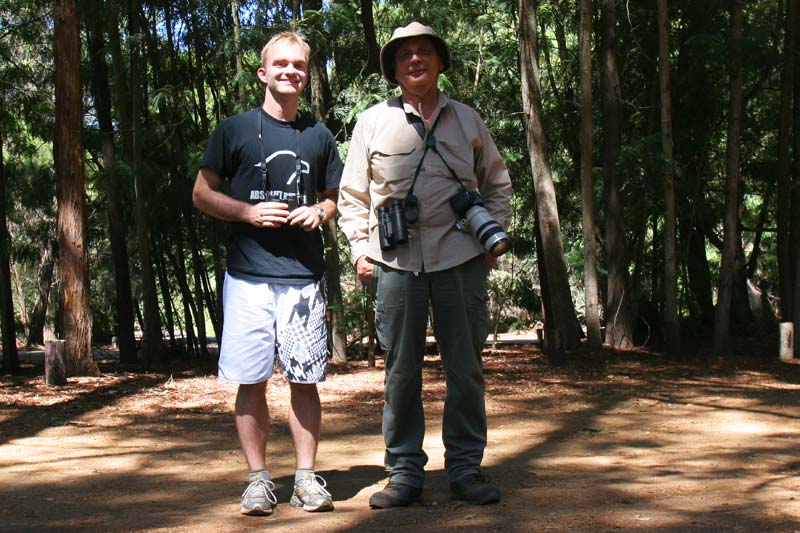
At 5:45 a.m. this morning, I found Maris Lauva waiting outside my Perth hostel, ready for a long day of birding around town. We spent most of the time with Marcia and Bob, from Maryland, who had the day ashore in Perth on a 2-week cruise to Thailand. Turned out Marcia had been on a tour I led during the American Birding Association convention in Eugene a few years back. Small world!

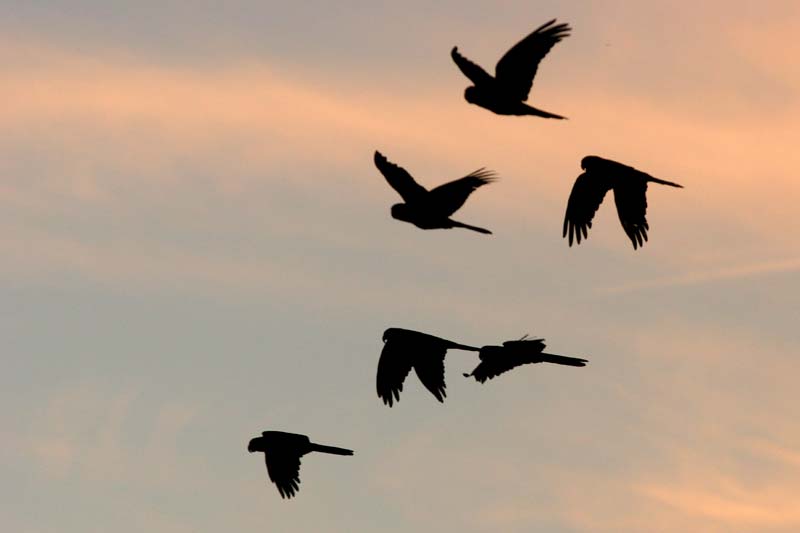
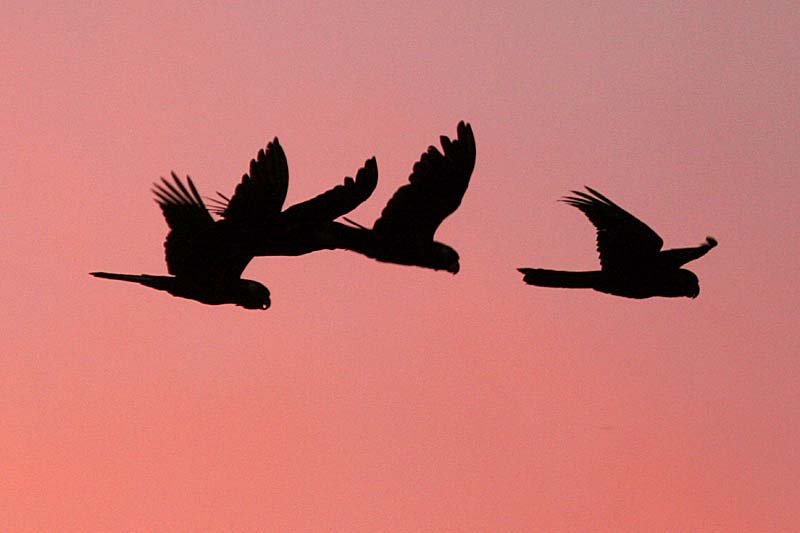
Maris, a local birder, was extremely kind to show us Americans some nice birds. We hit wetlands, lakes, and “the bush,” racking up about 60 species throughout the day, half of which I’d never seen before. Not a cloud in the sky, temps in the 90s. After dropping Marcia and Bob back at their cruise ship for a 4:00 curfew, Maris and I headed into the foothills to watch several dozen Baudin’s Black-Cockatoos fly into an evening roost. The large, impressive parrots, silhouetted against the sunset, capped off an impressive day.

Summah Down Undah

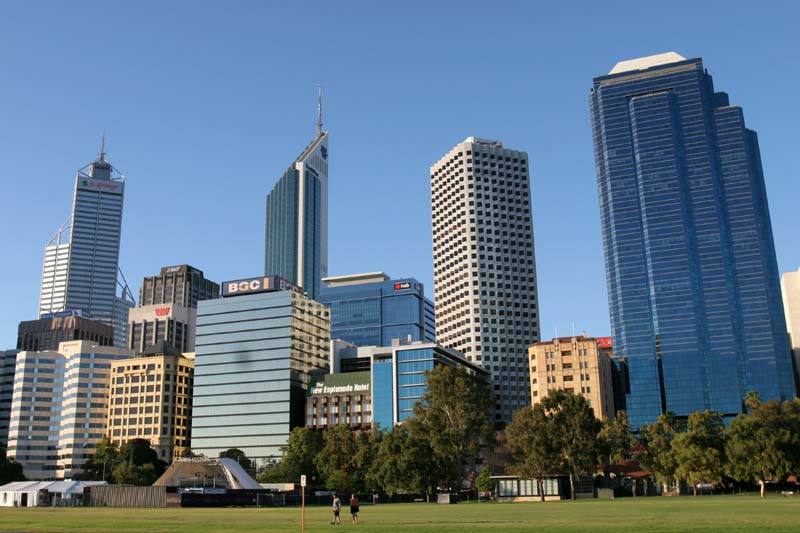
After cutting every line in the Sydney Airport, watching Customs take all of my jerky away, teaching a woman from Venezuela to use her in-flight entertainment system (in return for half a blanket and a packet of M&Ms), and being taxied by a distinctly non-Australian man named Jarko, I am in Perth, in southwest Australia, this afternoon.

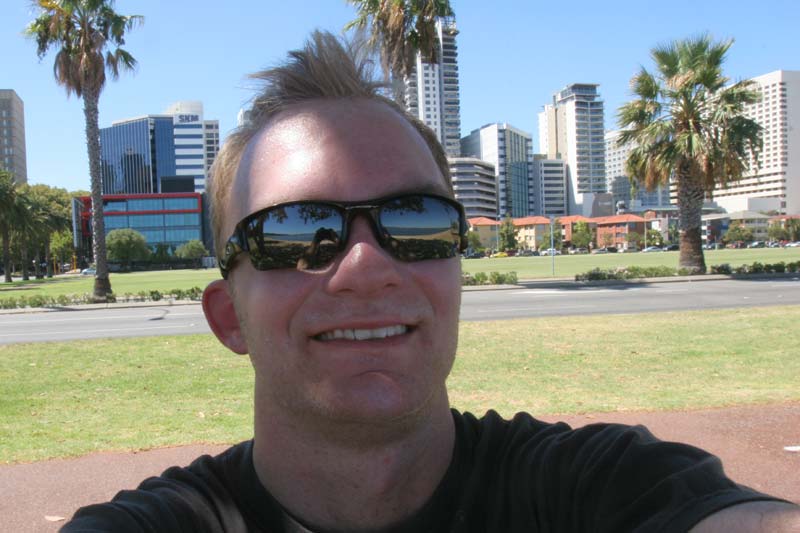
Yes, I realize that it’s actually 1 a.m. in the U.S, which means I should be really, really tired after sleeping four hours out of the last 40. But it’s hard not to be energized when I’m looking at palm trees, parrots, and Australian sunshine out the window. It’s currently mid-afternoon, at the tail end of summer, about 98 degrees F, and a man is lying in my hostel dorm room clad only in his underwear, watching kid cartoons in a semi-catatonic state (true story; nothing to do with me; the heat just does odd things to people).

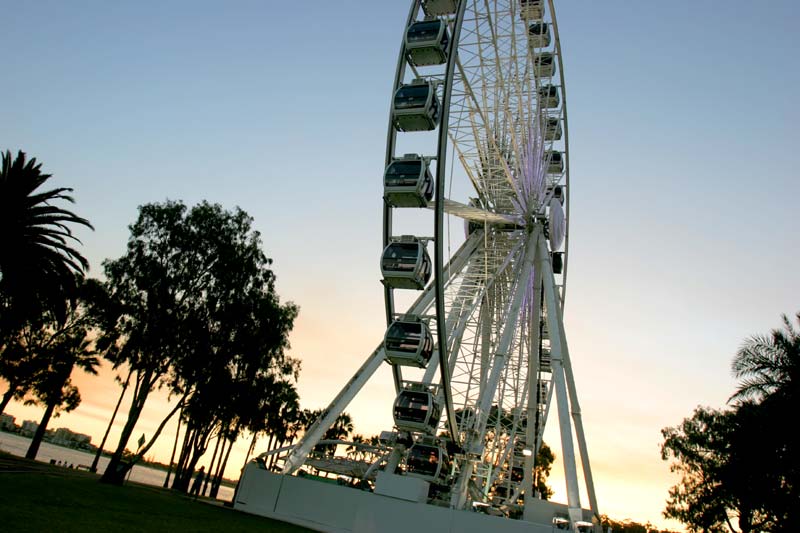
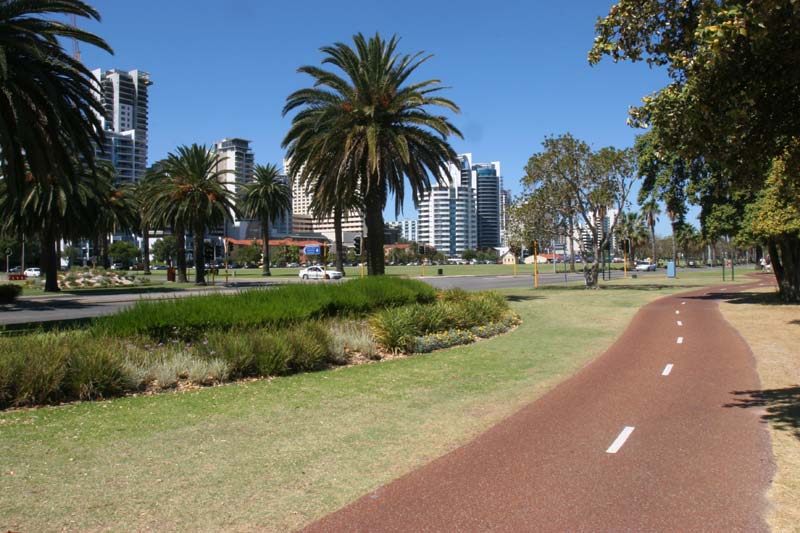
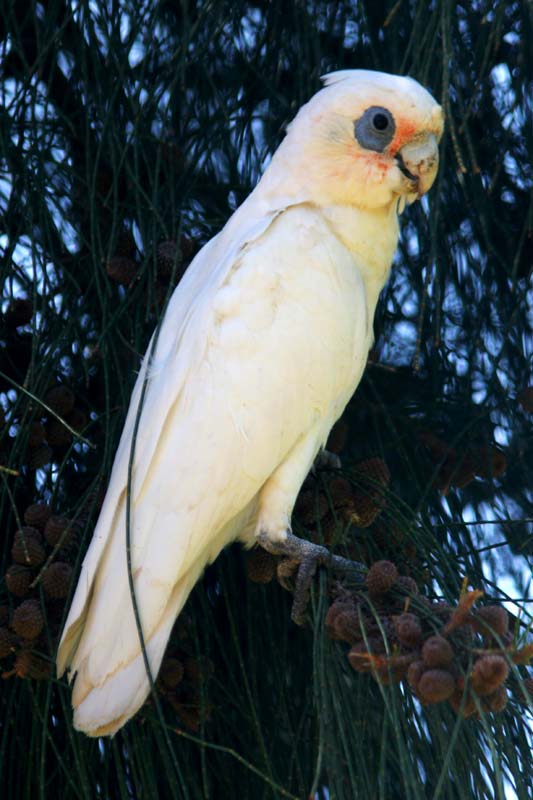
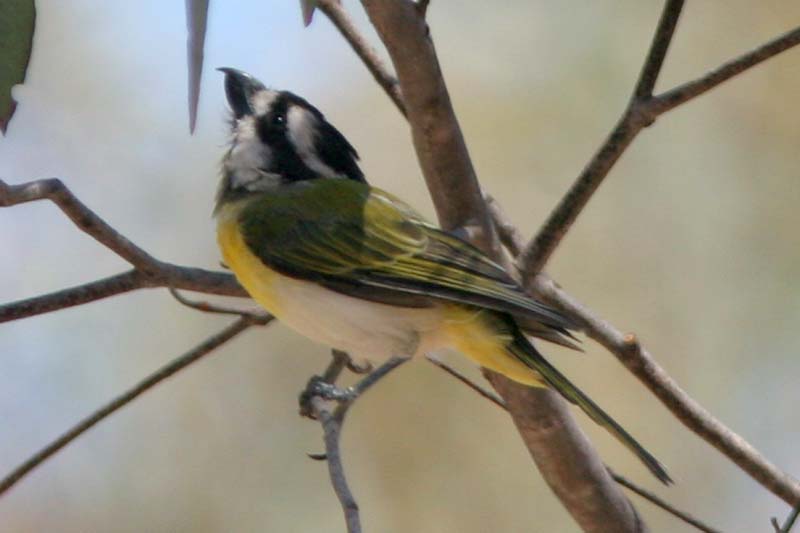
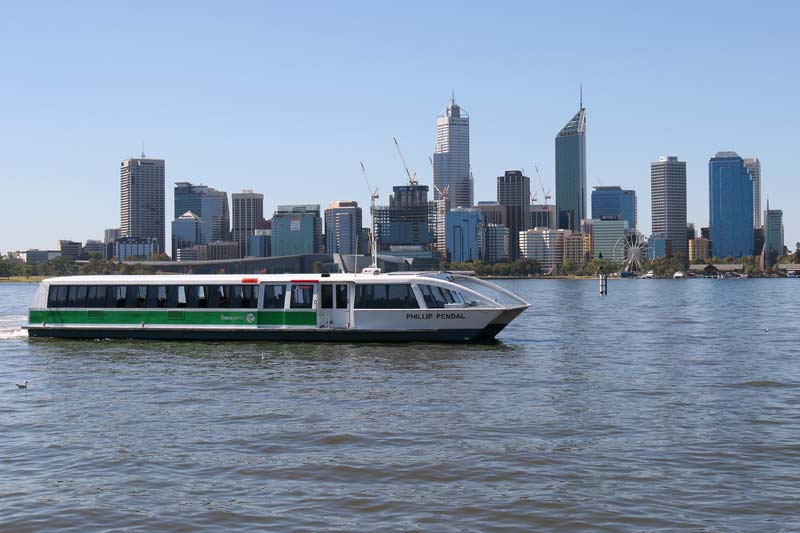
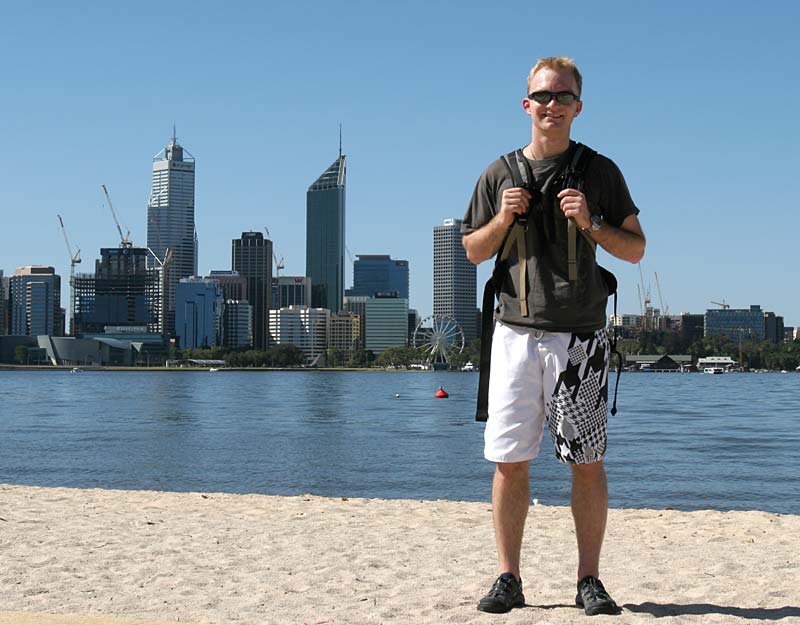
I celebrated my arrival down under with a stroll around town. The walk turned into a blisterfest on my feet, so I retreated before the stove-like sidewalk began to char, and dodged on to a ferry crossing the Swan River (“The River of Swan,” said Jarko the taxi driver) to appreciate the cooling effect of water. I’ve already seen several life birds without even trying – Western Corella, Red Wattlebird, and Singing Honeycreeper. I’m looking forward to adventures tomorrow, starting at 6am, and the next day, starting at 4am, with a local birder named Maris. With jet lag, 4am won’t seem so bad!