“Lighthearted and filled with stories of exotic birds, risky adventures and colorful birding companions.”
-NEW YORK TIMES BOOK REVIEW, EDITOR’S CHOICE

“Lighthearted and filled with stories of exotic birds, risky adventures and colorful birding companions.”
-NEW YORK TIMES BOOK REVIEW, EDITOR’S CHOICE
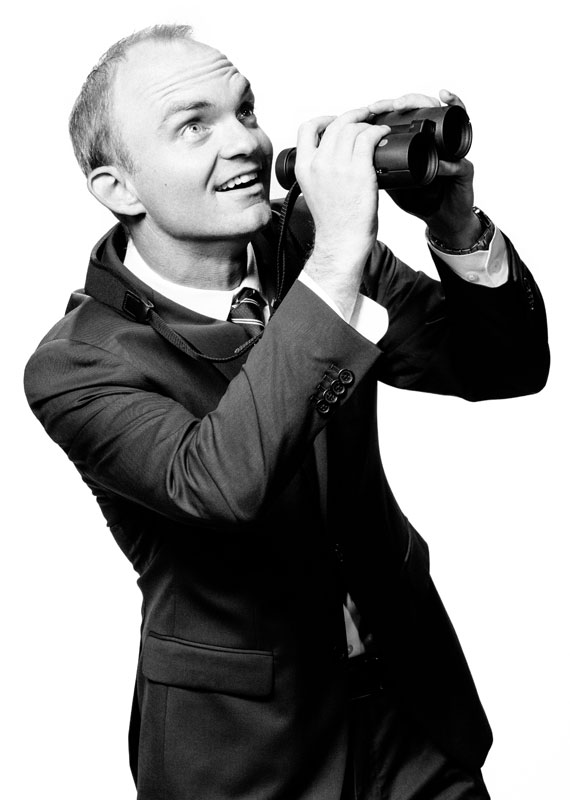
Noah Strycker is a 38-year-old writer, photographer, and bird man based in Oregon. Full Bio
Noah welcomes correspondence at noah.strycker@gmail.com
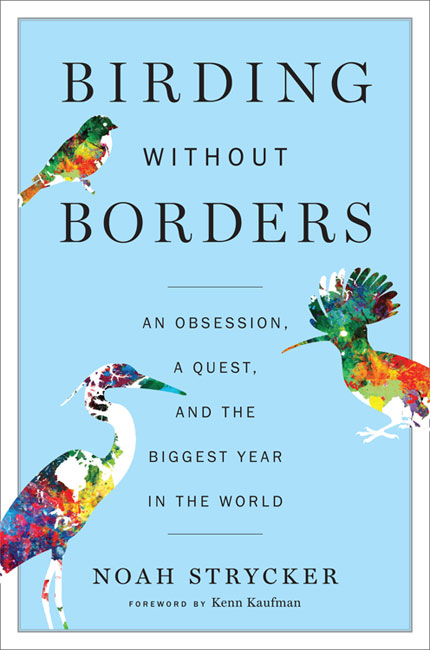
His books include:
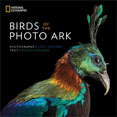
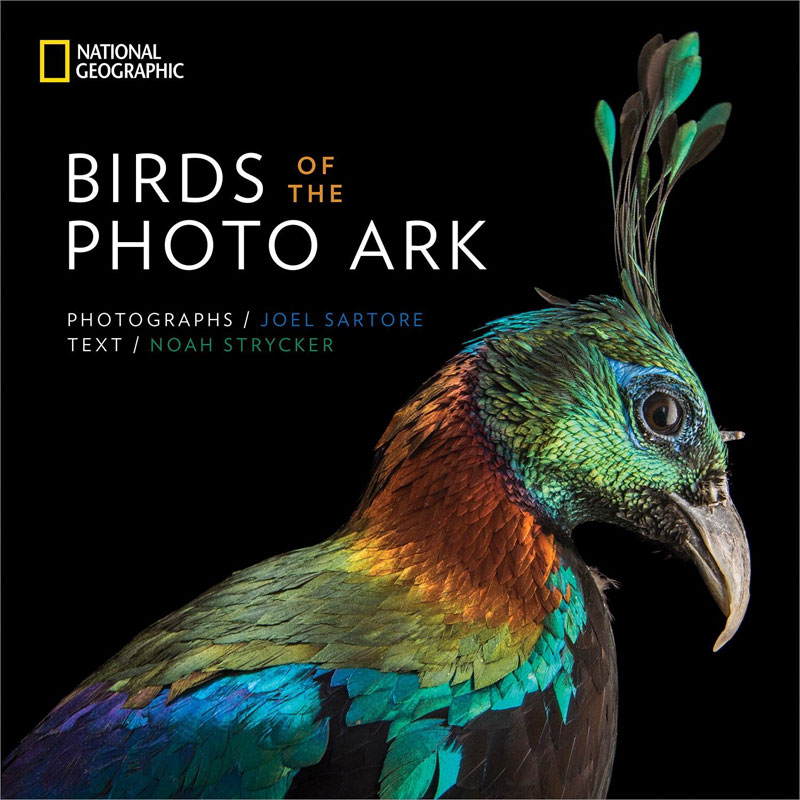
With images by National Geographic photographer Joel Sartore and text by Noah Strycker, this elegant book features hundreds of studio portraits of birds around the world, paired with essays about evolution, behavior, and conservation.
Learn more and order:


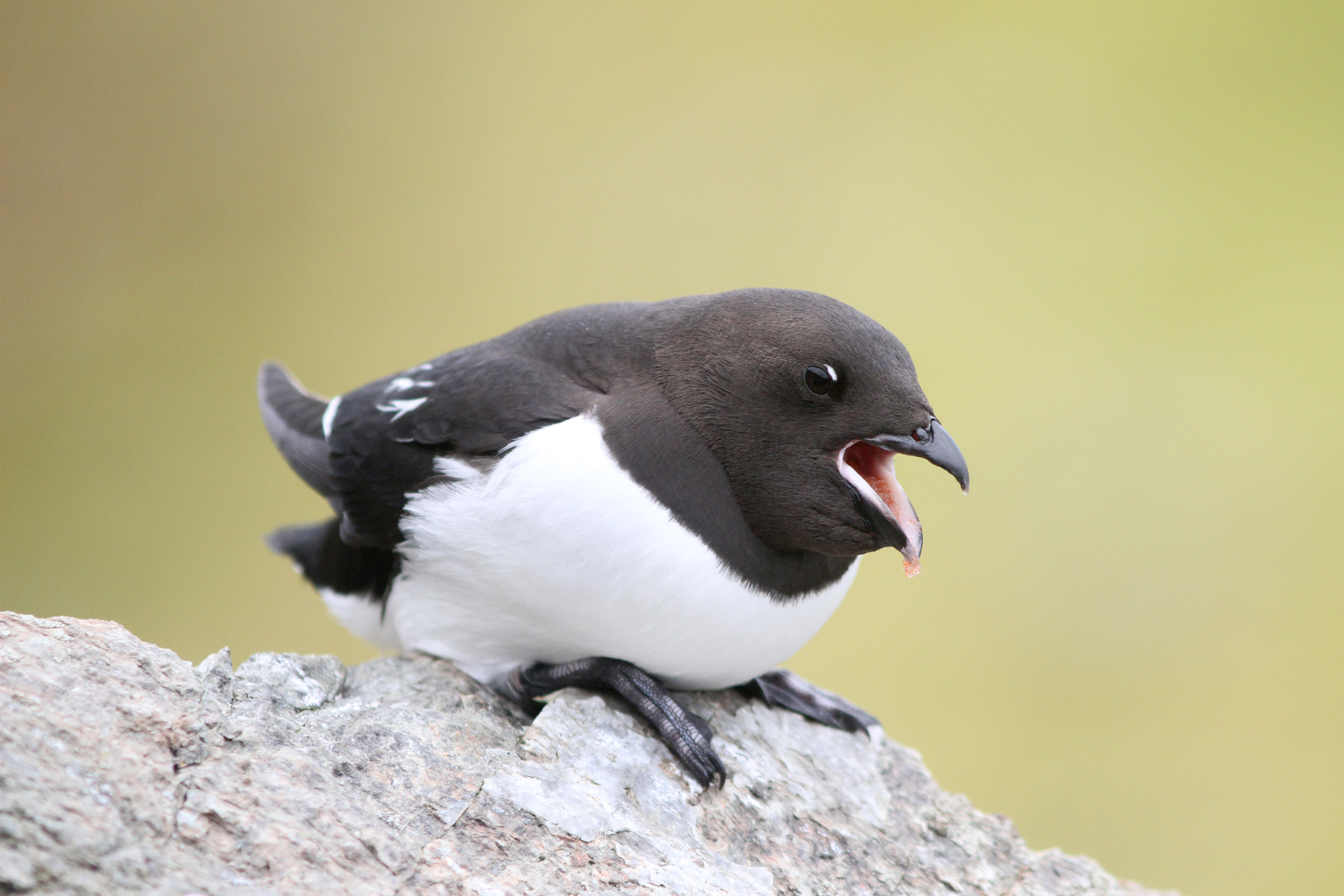

Noah will be sailing on Quark Expeditions’ ship the Ultramarine for trips to Svalbard—the wildlife capital of the Arctic. Explore the archipelago via the Faroes and Jan Mayen, take in the majestic sights of fjords and glaciers, experience the dazzling array of waterfowl and cliff-nesting birds, and photograph the domain of the polar bear.
Multiple departures in Apr-Jun 2024 | Itinerary and Details
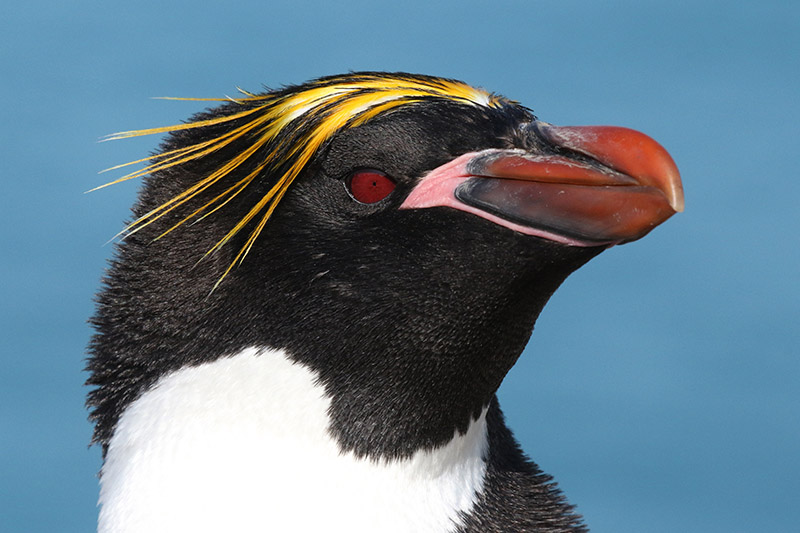
In his 13th Antarctic season, Noah will be sailing on Quark Expeditions’ ship the World Explorer for trips to the Antarctic Peninsula, including South Georgia—the “penguin safari” of the Southern Ocean and one of the world’s natural spectacles. Eight species of penguin and five species of albatross are regular on these itineraries!
Multiple departures in Dec-Feb 2024-25 | Itinerary and Details
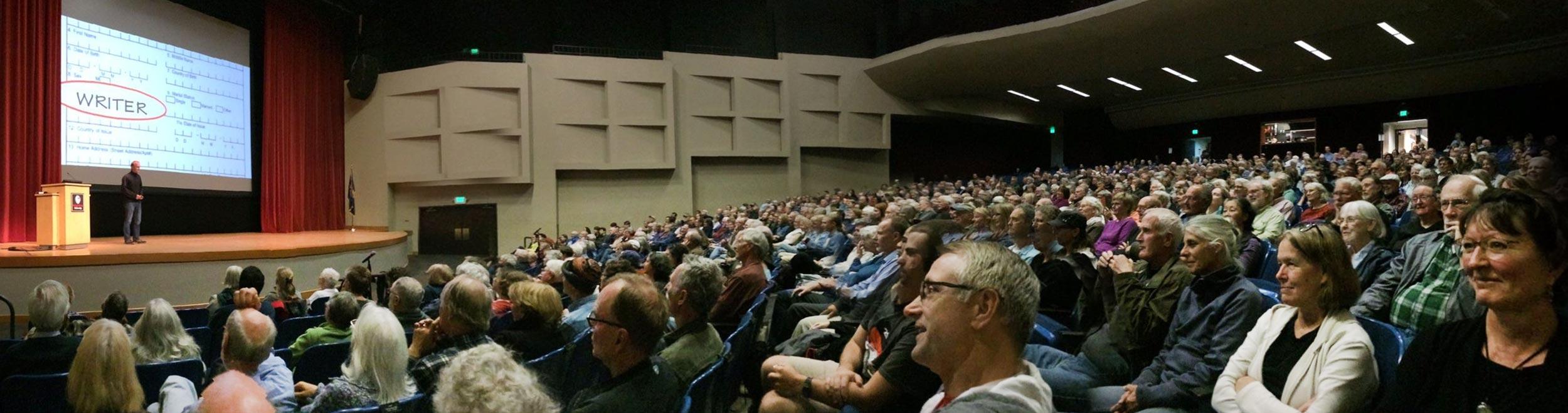
Noah is especially known for the humor, lively stories, and thoughtful reflections in his presentations, which celebrate the ways that birds unite and inspire us.
Past Appearances:
“Noah’s presentation was a big hit for our capacity audience!”
-Andrew Rubenfeld, Linnaean Society of New York





Disappearing Penguins, 2021 (15 minutes)
This documentary, produced by Greenpeace International, features Noah conducting field work on Elephant Island, Antarctica, during his graduate studies of Chinstrap Penguins. The video was awarded Best Children’s Film at the 2021 Wild & Scenic Film Festival.
TEDxSalem, 2018 (15 minutes)
Noah recounts his Big Year for TEDx in Salem, Oregon, with a few laughs along the way. In this talk, Noah runs into trouble in Peru, faces his worst fear in Asia, considers a piece of below-the-belt body art, makes unexpected friends, and discovers how birds can—no joke—unite the world.
Birding Without Borders, 2015 (5 minutes)
At the end of his round-the-world trip in 2015, during a long flight home from India, Noah cut together this whirlwind tour of all 41 countries he’d visited in the previous 12 months. This video shows birds, people, and some of the most spectacular (and obscure) places on Earth.